
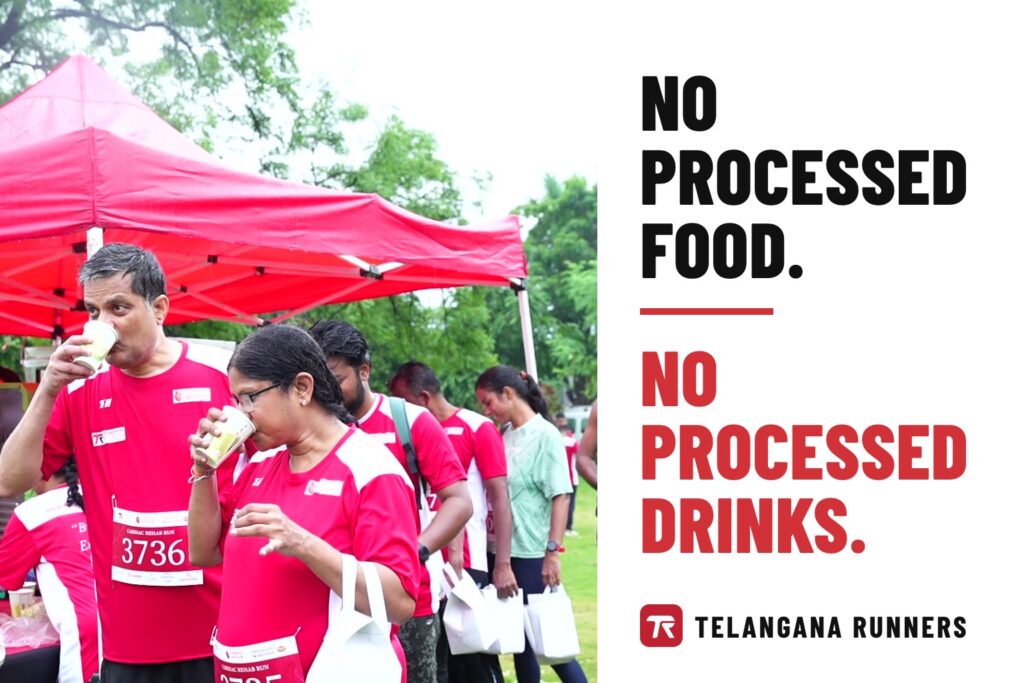
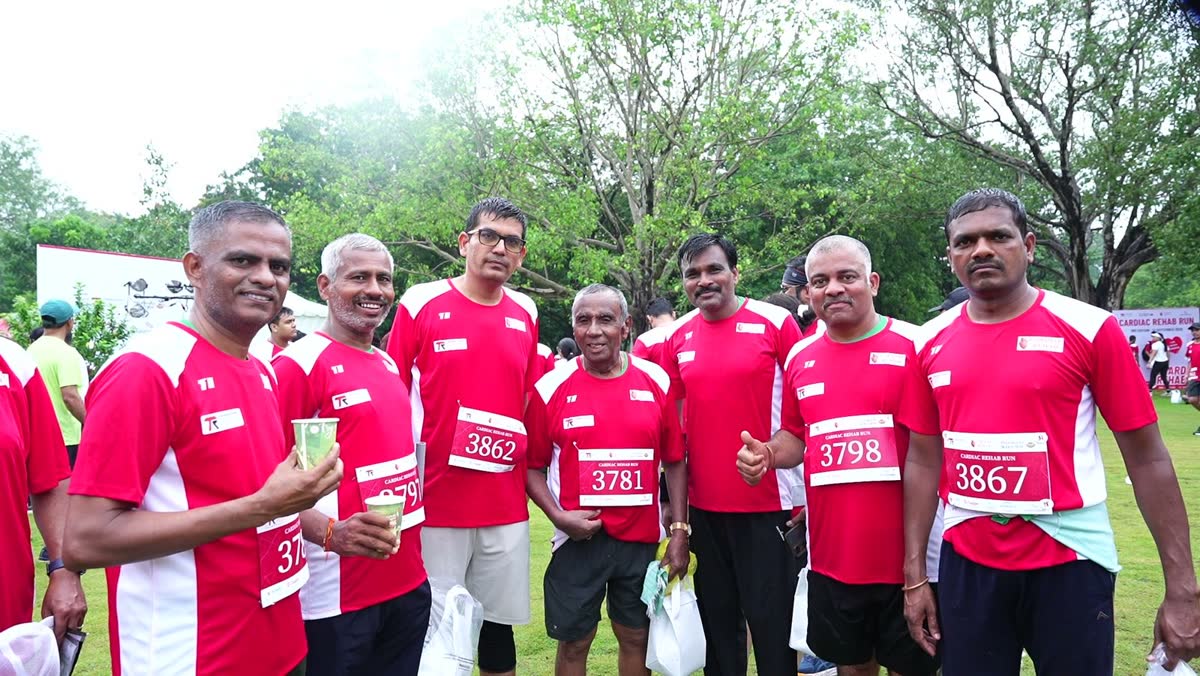
At the Cardiac Rehab Run 2026, our 3rd Edition, on Sunday 13 September at Sanjeevaiah Park and Necklace Road, we made one simple rule for everything we handed to runners.
No processed food. No processed drinks.
No bright bottles. No powders with long labels. Just three things that nature, and a little science, already got right.
Why we made the rule
Telangana Runners exists to prevent lifestyle disease before it starts. Our vision is “to make Telangana the fittest state in India, by building endurance in 33 districts, preventing the rising trend of obesity, diabetes, hypertension, heart attacks and other lifestyle diseases.”
It would make no sense to talk about preventing diabetes and heart attacks, and then hand runners a bag of packaged snacks and sugary coloured drinks at the finish line. What we serve says what we believe. So we asked a plain question about every drink: what does a runner’s body actually need at this moment, and what is the most natural way to give it?
The answers were three drinks, each for a different job.
Three drinks, three jobs
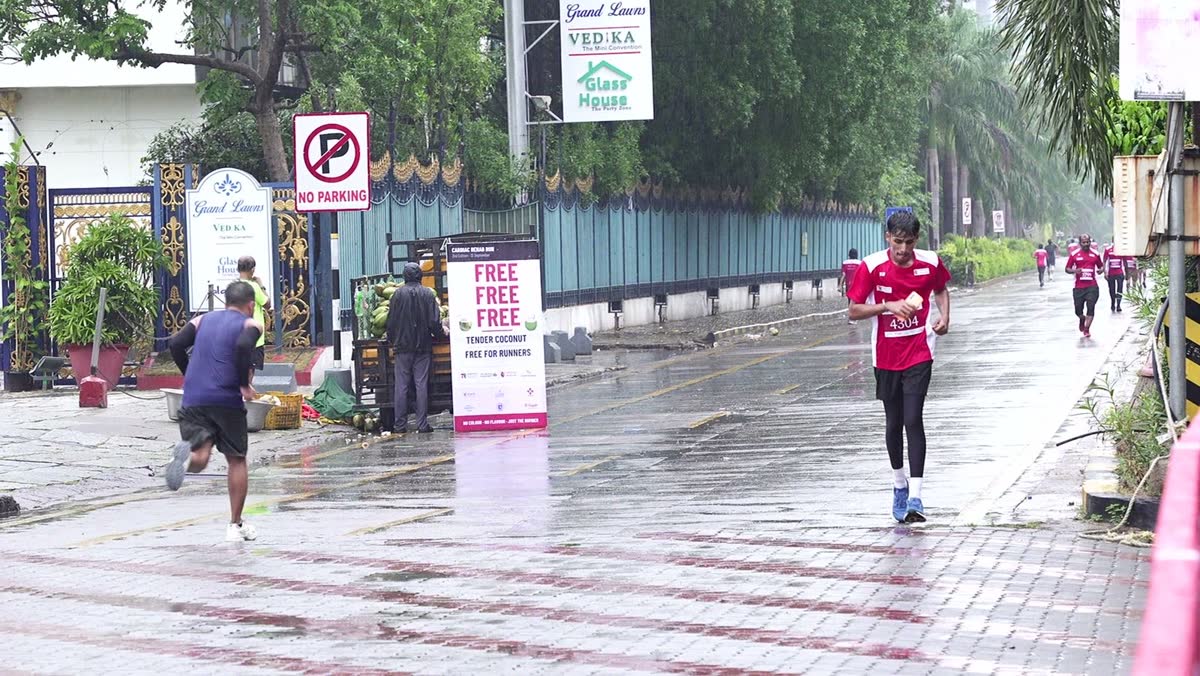
During the run: tender coconut
When you run for a long time, you sweat. Sweat is not only water. It carries salts, called electrolytes, that your nerves and muscles need to work.
So on the route, we set up tender coconuts, cut fresh and free for every runner.
Tender coconut water is naturally rich in potassium and also has some sodium and a little natural sugar. In a study of trained men who were dehydrated by exercise, coconut water rehydrated them about as well as a sports drink did. The same study found that some people felt bloated when they drank a lot of it quickly, so the tip is simple: sip, do not gulp.
It is not a magic drink. It is just a very good natural one, and it comes in its own packaging.
Along the way: 6% glucose in water
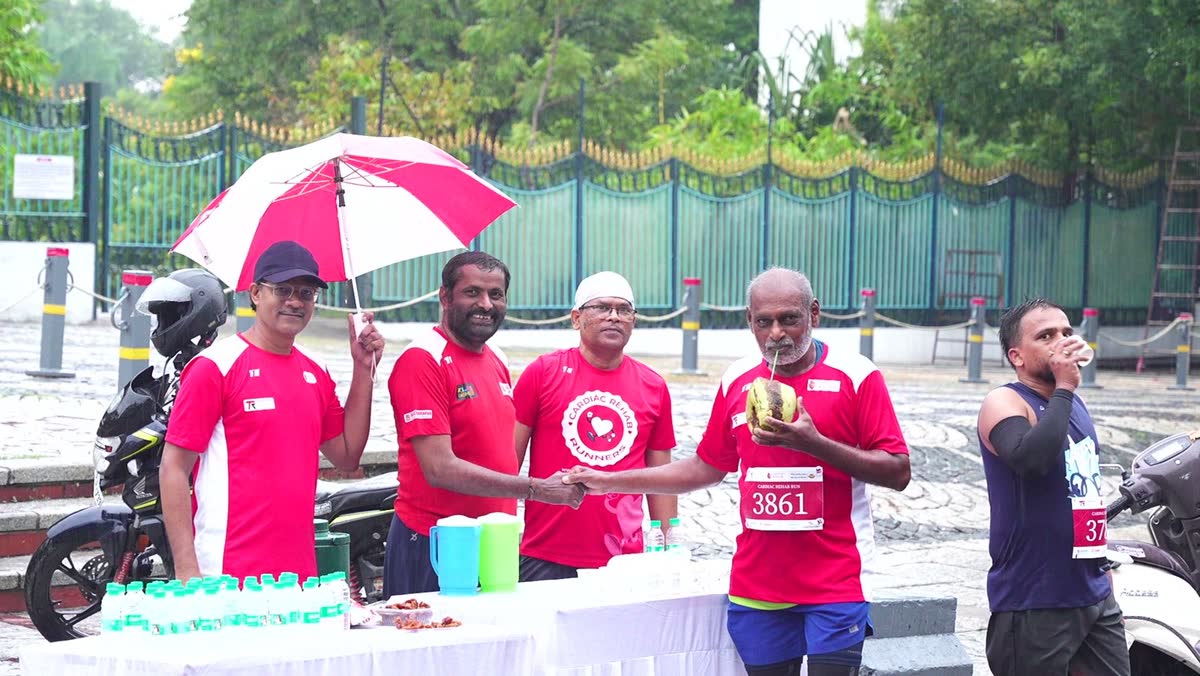
Over a long run, your muscles also burn through their fuel. For that we served our 6% glucose: 60 grams of glucose in 1 litre of water. No colour, no flavour.
We chose 6% because studies show it brings real fuel while still leaving the stomach about as fast as water. Stronger drinks, around 8%, start to sit in the stomach. You can read the full story in our earlier post on why we serve 6% glucose at every run.
After the run: sugarcane juice
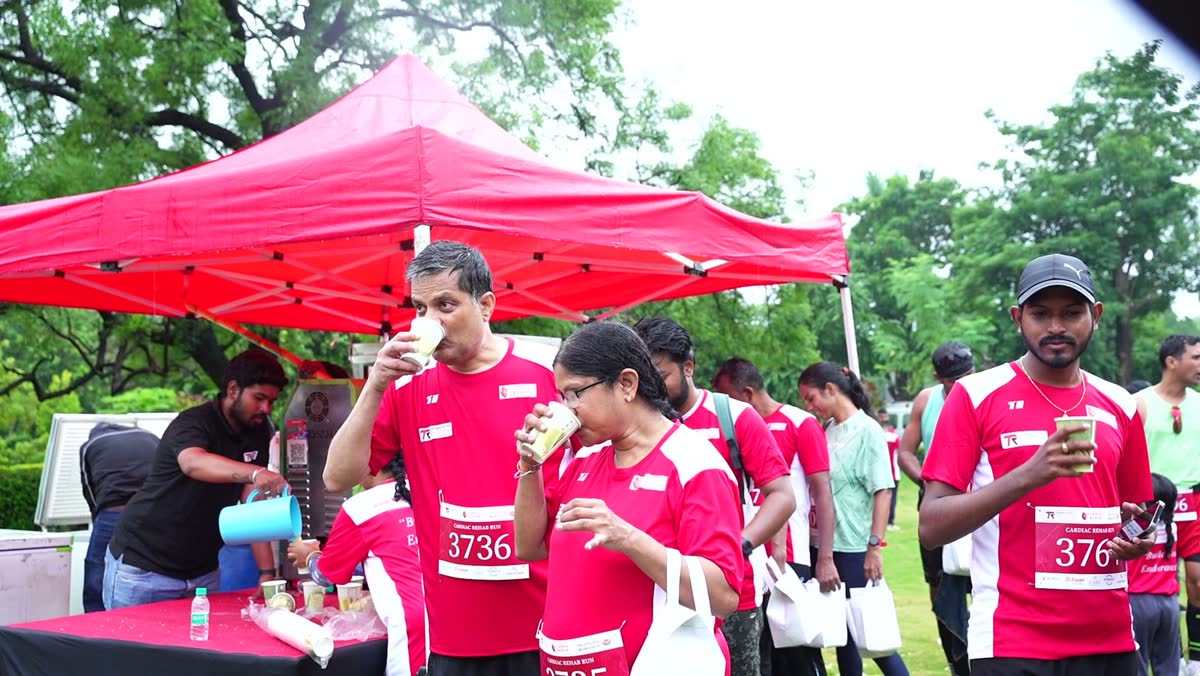
When you finish a long effort, your muscles are low on glycogen, the fuel they store. Refilling it is a big part of recovery, and the main way to refill it is carbohydrate soon after you stop.
So after the finish, runners got sugarcane juice, pressed fresh at the stall with nothing added.
It is a natural carbohydrate drink that Hyderabad already loves. A study of athletes cycling to exhaustion compared sugarcane juice, a commercial sports drink and plain water. Sugarcane juice worked as well as the sports drink during exercise, and it raised blood glucose more during recovery. The researchers suggested this may help muscles restore glycogen.
How we made it work
A rule like this is easy to say and harder to do on race morning. Here is what it took:
- One job for each drink. Coconut for salts on the route, glucose for fuel, sugarcane juice for recovery. Nothing on the table without a reason.
- Fresh, on site. Coconuts were cut on the route. Sugarcane was pressed at its own stall. The glucose was mixed to the number.
- Free for runners. A banner on the route said it plainly: tender coconut, free for runners.
- Say it out loud. Our boards showed the recipe and the banners said what was free, so every runner knew what they were drinking and why.
The bottom line
A few simple cautions.
- If you have diabetes, sugarcane juice and glucose both raise blood sugar. Ask your doctor how to use them around a run.
- If you have kidney disease, check with your doctor before drinking a lot of coconut water, because it is rich in potassium.
- For a short, easy run, plain water is usually all you need.
You do not need a factory to fuel a runner. A tender coconut, a stalk of sugarcane and a measured spoon of glucose did the job for a whole race.
No processed food. No processed drinks. That is how we will keep running our events. Join us at the next run and taste the difference. Find it at www.TelanganaRunners.com.
References
- Kalman DS, Feldman S, Krieger DR, Bloomer RJ. Comparison of coconut water and a carbohydrate-electrolyte sport drink on measures of hydration and physical performance in exercise-trained men. Journal of the International Society of Sports Nutrition. 2012;9(1):1. https://pmc.ncbi.nlm.nih.gov/articles/PMC3293068/
- Kalpana K, Lal PR, Kusuma DL, Khanna GL. The effects of ingestion of sugarcane juice and commercial sports drinks on cycling performance of athletes in comparison to plain water. Asian Journal of Sports Medicine. 2013;4(3):181-189. https://pmc.ncbi.nlm.nih.gov/articles/PMC3880661/
- Kerksick CM, Arent S, Schoenfeld BJ, et al. International Society of Sports Nutrition position stand: nutrient timing. Journal of the International Society of Sports Nutrition. 2017;14:33. https://pmc.ncbi.nlm.nih.gov/articles/PMC5596471/
- Murray R, Bartoli W, Stofan J, Horn M, Eddy D. A comparison of the gastric emptying characteristics of selected sports drinks. International Journal of Sport Nutrition. 1999;9(3):263-274. https://pubmed.ncbi.nlm.nih.gov/10477362/
Dr Muralidar Babi, MBBS, MD (CMC Vellore)
Founder, Cardiac Rehab and Telangana Runners
TGMCI Reg. No. 59309
#TelanganaRunners #TelanganaMarathon #CardiacRehab #CardiacRehabFoundation #muralidarbabi